Reading time: About 2 minutes
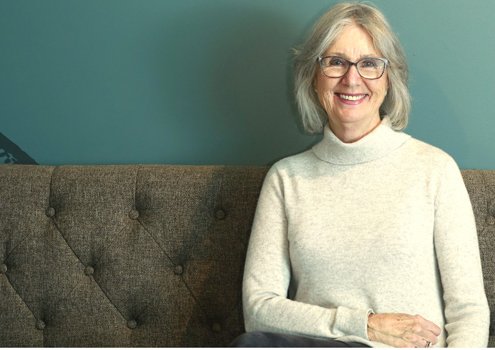
If she had her way, Diana Stevan would begin her writing days with a cup of coffee followed by an hour of reading while classical music plays on the stereo….
Diana Stevan is the author of both historical and contemporary fiction. Her novels — ranging from Ukrainian family sagas to psychological and literary works — are united by a focus on women’s lives, emotional depth, and the complexities of identity, survival and human relationships. You can visit her website for more information.
I was excited to talk to Diana about how she approaches writing.
Q. Roughly how much time do you spend writing every day?
Right now, not as much as I would like. I’ve been in the process of revisiting a book I published last year. I write mostly women’s fiction and historical fiction, but last year, I launched Along Came A Gardener, a self-help book and memoir based on my 25 years working as a family therapist. I thought I was being clever with the title and some metaphors and section breaks I used inside, which related to nature and my love of gardening. But I didn’t realize that Amazon and Google would put my book in gardening and nature categories. AI algorithms are responsible for the mix-up. So, I’ve spent the last few months figuring out what to do about it. And I’ve decided to launch the book with a new title, new cover, and a revised interior in the late fall or early spring 2027. As well, two months ago, I launched a book of short stories, A House Full of Strangers. The marketing of this book has kept me busy. I hope to get back to writing soon. Then, I’ll be back working on another novel: women’s fiction. I’ve written about 20,000 words already. Once I get started, I’ll be writing several hours a day.
Q. What’s a simple activity or habit that makes you a better writer?
Reading. I’m a voracious reader. I grew up reading comics, cereal boxes, and any books I could get from the library. I read everything from non-fiction to novels in different genres.
Q. What interferes with your writing?
I wouldn’t call it interfering, but others might. I enjoy my family and friends. And if my daughters or grandchildren call, I will pick up the phone even if I’m knee-deep in my story. And my husband, Robert, knows he can interrupt when he needs my attention. Since I’m no longer practicing family therapy or attending to our grandchildren (they’re all grown), I have the luxury of time. I have more time, too, to follow my passion.
Q. How do you persuade yourself to sit down to write on days when you really, really DON’T feel like doing it?
I always want to write. It doesn’t mean I can come up with anything clever, but the muse is always there, poking at me. In fact, I have to keep myself from going to the computer to write first thing in the morning. I’m now trying to sit down with a cup of coffee first and spend that first hour of the day reading a novel or magazine article I’m interested in while some lovely classical music plays on our stereo.
Q. Is there a particular motto or saying that you’ve found helpful for writing?
Writing is rewriting.
Q. Which stage of the writing process do you enjoy the most: researching, writing or editing/rewriting, and why?
Researching. I enjoy all the stages, but the research is the most fun. Because I’ve written four historical fiction novels and a book of short stories set in the 1940s and 1950s, I’ve had to do a lot of research, which I absolutely love. I love getting those details that bring a scene alive. I also have a screenwriting background, so I tend to write the pictures I see in my mind.
Q. What’s one of the best books you’ve read (either fiction or non) in the last five years?
Demon Copperhead by Barbara Kingsolver, The Covenant of Water by Abraham Verhese, and Elizabeth and After by Matt Cohen.
Q. What book are you reading right now?
Straw Shoes by Mathias B. Freese.
Q. What do you think is the biggest misperception that new writers have about the act of writing?
I’m not sure, but I know the misconception I had when I started out. I thought it would be too hard. And in some ways, it is. Writing is rewriting and more rewriting. Once you set yourself on the path of becoming a writer, you discover that the more you write, the better you get. Everyone has something to say. We all have wonderful stories to tell, each in our own unique voice, but not everyone has the inclination to tell them, nor the confidence or the interest in doing the hard work that good writing requires.