Reading time: About 3 minutes
The NATO typo shows why we need to learn from our mistakes and not obsess over them…
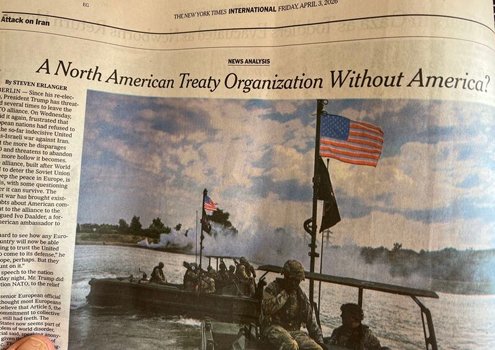
It was a jaw-dropping typo.
And it appeared in an astonishing place — the New York Times.
In a headline.
It read: “A North American Treaty Organization Without America?”
In fact, if you skimmed it, you might have missed the problem. The A in NATO should represent the word Atlantic, not American.
Some people who posted about the typo acted as though civilization itself was teetering on the brink. (Spoiler: it wasn’t.)
Comments fell into a few camps:
- Outrage that a media outlet like the New York Times would make a mistake like this.
- Speculation that AI caused the error. (Naturally.)
- Despair over low standards, sloppiness and a general sense that the end times were nigh.
I even got into an argument a spirited discussion with someone on LinkedIn who wrote: “I don’t read papers that publish articles that are (potentially, let’s be kind) written by people who are dumber than me.”
And when I said I thought there were bigger problems to worry about, they fired back: “Like what?”
Now, I worked at a senior level of daily newspapering for roughly 10 years, so here are the kinds of problems newspapers face that I believe are actually more important than typos:
- Relying on the same small cast of “expert” sources, interview after interview, story after story.
- Giving equal weight to unequal arguments, which can distort reality (especially in science or public policy).
- Rushing to publish first and ending up with errors, shallow reporting or missing context.
- Shaping coverage to flatter the audience’s existing beliefs and reinforce echo chambers.
- Defaulting to conflict framing when nuance would serve readers better.
- Softening coverage to stay cozy with powerful sources.
Also, based on my experience, I can tell you the New York Times error was not a particularly surprising one. Here’s some relevant background:
Writers and reporters never write their own headlines. Nor do the people who perform the content-related edit on the story. The job belongs to a specific type of editor, usually called a “desker,” whose role is to lay out the page and write the headline.
This means headlines are the most likely spot for typos. Not just because someone else is writing them, but also because writing headlines is one of the last steps in publication, usually done on deadline, often in the middle of the night for a morning newspaper, by someone who is both tired and slightly unhinged by that point in the shift.
I had my share of fights with deskers over the years. The worst problem I encountered, though, wasn’t even a typo. It reflected the desker’s lack of education — or at minimum their relationship with classic literature.
In a story, a reporter in my department had made a passing reference to Jane Austen’s book, Sense and Sensibility. The desker thought this was an error and changed the text to read: Jane Austen’s two books, Sense and Sensibility.
As you can imagine, the unfortunate reporter was absolutely mortified for being made to look like such an idiot. And it led to many dark jokes in my department, including, thereafter, our regular reference to those two great books, War AND Peace. (We had a lot of fun with it. The desker did not.)
Still, we’re all adults, and I think it’s time to recognize that mistakes sometimes happen.
When I first moved from newspapers into the business world, I managed a corporate newspaper and was in charge of a big redesign. When our redesigned issue was at the printers, I had a call from our sales rep. “Do you know you’ve spelled the company name wrong on the masthead?” he asked. His news flabbergasted me. (And I briefly considered a career in retail.) But I very much appreciated the sharp-eyed printer.
About a hundred people had seen the roughs, including the CEO, a professional proofreader and me. We had ALL missed it. The graphic artist had generated the error — in about 72-point type — and we probably failed to notice it because it was a “graphic” rather than a piece of text, and we made the fatal error of assuming it was correct.
Mistakes happen. Even to people who are definitely not dumber than you. We need to learn from them and get over them.
Something I’m loving right now…
The post you’ve just read also arrives in inboxes every Tuesday — and subscribers get something extra. Each week, I include a brief, subscriber-only bonus: a short paragraph featuring a practical tip about a tool, book, video, app or resource I’ve tested and loved. This bonus is never published on my website — only in the email. No fluff. No sales pitch. Just one smart recommendation to make your writing life easier. Subscribe to my newsletter to get next Tuesday’s love note.
*
My three-month writing accountability program, called Get It Done, is opening up with an April 23 deadline for those who wish to start May 1. (Miss this date and your next chance won’t be until August!) If you want to build a better, more sustainable writing or editing routine, check out more information about the program. Entry is possible only four times a year.
*
My video podcast last week addressed supply chain problems in publishing. You can watch the video or read the transcript, and you can also subscribe to my YouTube channel.
*
How did you react to the NATO typo? We can all learn from each other, so please, share your thoughts with my readers and me in the comments section, below. If you comment on today’s post (or any others) by April 30/26, I’ll put you in a draw for a digital copy of my first book, 8 1/2 Steps to Writing Faster, Better. To enter, please scroll down to the comments, directly underneath the related posts links, below. You don’t have to join Disqus to post! Read my tutorial to learn how to post as a guest. (It’s easy!)